This article is a general, nonpartisan explainer. It describes the United States unless stated otherwise, and details change over time, so check official sources for the latest.
Roughly four-fifths of global trade by volume travels by sea, according to commonly cited figures from United Nations trade bodies. That makes maritime security a concern for governments, shippers, and consumers alike.
Chokepoints
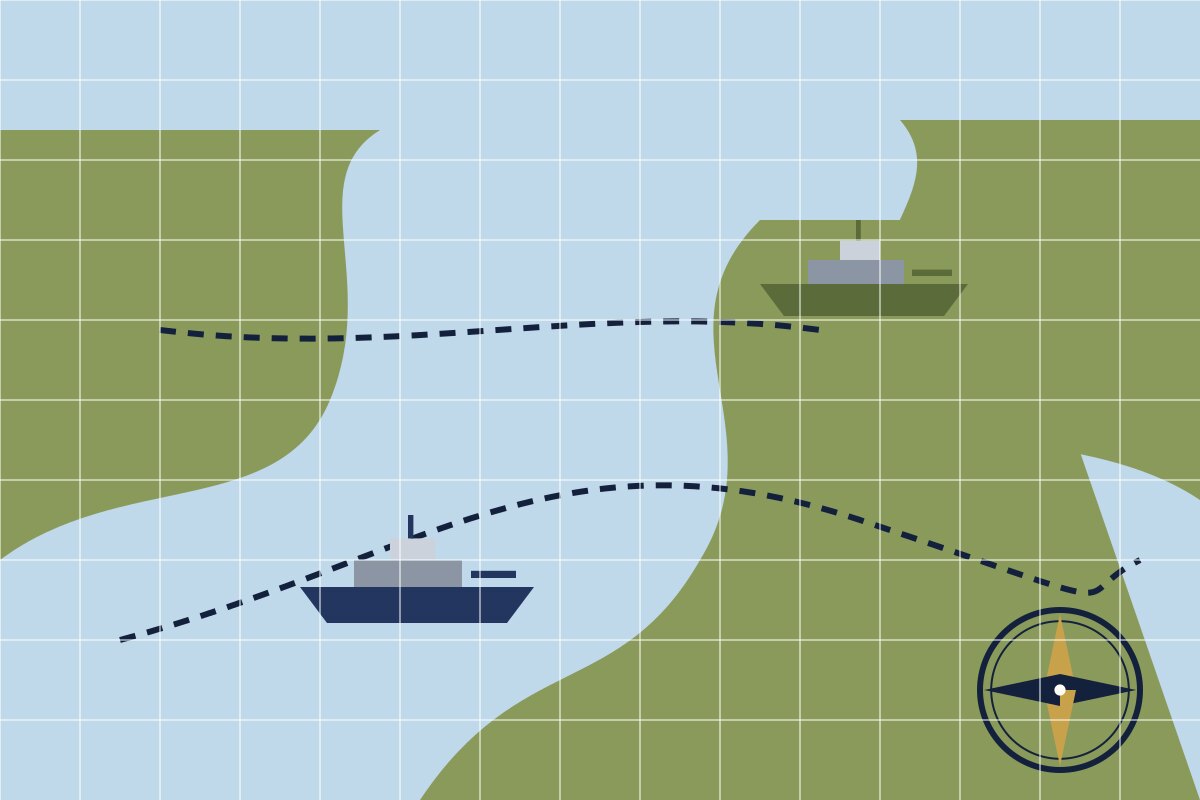
Many routes pass through narrow passages, such as the Strait of Hormuz, the Strait of Malacca, the Suez Canal, and the Bab-el-Mandeb. Disruptions in these places can affect energy supplies and shipping costs worldwide.
Threats to shipping
- Piracy and armed robbery.
- Territorial disputes and coercion.
- Mines and attacks on ships.
- Cyber interference with navigation systems.
- Environmental accidents.
Rules of the sea
The United Nations Convention on the Law of the Sea sets out rights and duties in maritime zones, including territorial seas, exclusive economic zones, and freedom of navigation. Not every country has ratified it, and disputes over interpretation continue.
How states respond
- Naval patrols and escorts.
- Multinational task forces.
- Coast guard cooperation and capacity building.
- Information sharing on maritime activity.
Safe seas depend on rules, cooperation, and the capability to enforce them.