This article is a general, nonpartisan explainer. It describes the United States unless stated otherwise, and details change over time, so check official sources for the latest.
The U.S. armed forces are organized into services: the Army, Navy, Marine Corps, Air Force, and Space Force, plus the Coast Guard in a different department. Each has its own culture, equipment, and training. Joint operations bring them together under one commander for a specific mission.
Why jointness matters
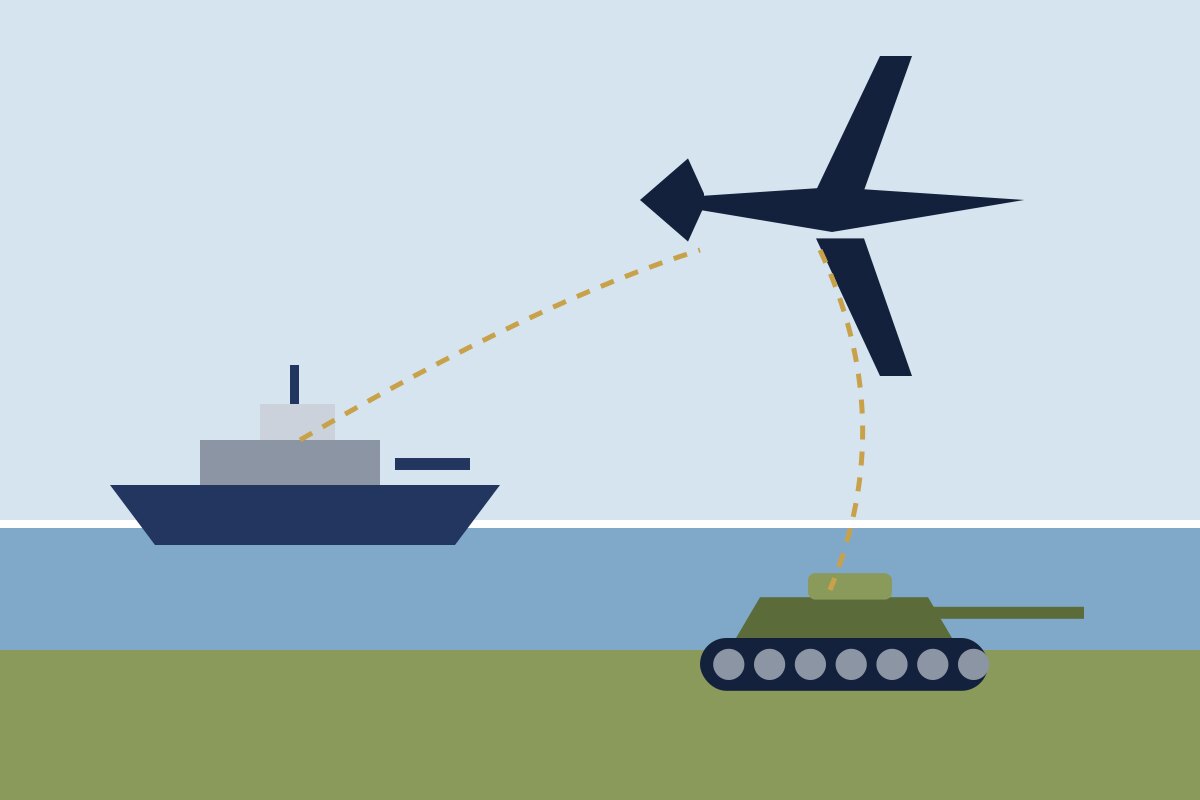
A naval ship can launch missiles, an aircraft can find targets, and ground forces can seize territory, but combining them effectively requires planning, shared communications, and common procedures. Operations are stronger when forces complement one another.
The Goldwater-Nichols reforms
The Goldwater-Nichols Department of Defense Reorganization Act of 1986 strengthened the role of the Chairman of the Joint Chiefs of Staff and the combatant commanders. It also emphasized joint education and careers for officers. Many analysts see it as a turning point in how the services cooperate.
Who does what
- The services organize, train, and equip forces.
- Combatant commanders direct those forces in operations.
- The Joint Staff supports the Chairman with planning and advice.
Challenges
- Different communication systems and data formats.
- Competition for budgets and roles.
- Differences in doctrine and terminology.
- Coordinating with allies, who have their own systems.
Beyond the military
Large operations also involve intelligence agencies, diplomats, and humanitarian organizations. Coordination across such a wide group is often harder than coordination between services.
Joint operations show that capability comes not just from individual weapons, but from how they work together.