

Understanding NATO: Structure and Decision-Making
NATO is the best-known military alliance. Here is how it is organized and how it makes decisions.
Understanding NATO: Structure and Decision-Making Read More NATO is the best-known military alliance. Here is how it is organized and how it makes decisions.
Understanding NATO: Structure and Decision-Making Read More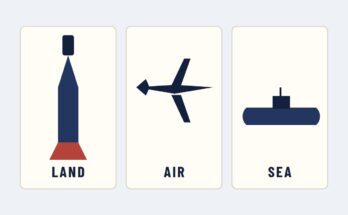
Nuclear policy uses specialized terms. This guide explains the basics without the jargon.
Nuclear Deterrence: Triad, Doctrine, and Policy Basics Read More
Land, sea, and air were once the main arenas of conflict. Cyberspace and outer space are now treated as operational domains too.
Cyber and Space as Domains of Warfare: An Introduction Read More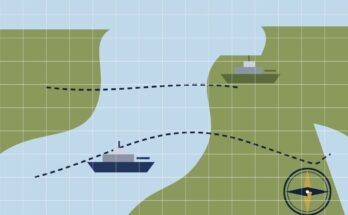
Most of the world’s trade moves by sea. Here is why navies and coast guards care about sea lanes and chokepoints.
Maritime Security and Sea Lanes: Why They Matter Read More
Defense stories can be technical and fast-moving. These habits help you separate solid reporting from spin.
How to Read Defense News Critically Read More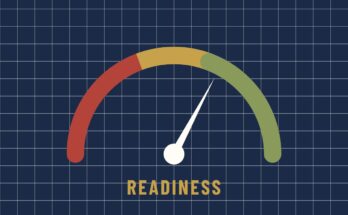
Readiness is often debated but rarely defined. Here is what the term covers and why it is hard to measure.
Readiness: What It Means and How It’s Measured Read More
The defense industrial base is the network of companies that design, build, and maintain military equipment. Here is how it is structured.
The Defense Industrial Base Explained Read More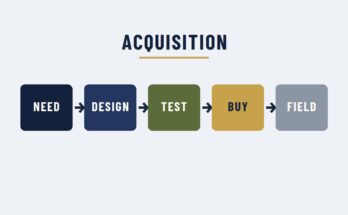
From identifying a need to fielding a system, acquisition is a long process. Here are its main stages.
How Weapons Systems Are Acquired Read More
Budget documents use specialized language. This glossary helps you read them.
Reading a Defense Budget Request: Key Terms Read More
The defense budget is created through a multi-year process involving the Pentagon, the White House, and Congress. Here is how it works.
How the U.S. Defense Budget Is Built Read More