This article is a general, nonpartisan explainer. It describes the United States unless stated otherwise, and details change over time, so check official sources for the latest.
Defense news mixes technical detail, official statements, and strong opinions. A few simple habits will help you judge what you read.
Check the source
- Who is speaking: an official, a contractor, an analyst, or an anonymous source?
- What might they gain from the claim?
- Is the information firsthand or repeated from elsewhere?
Look for primary documents
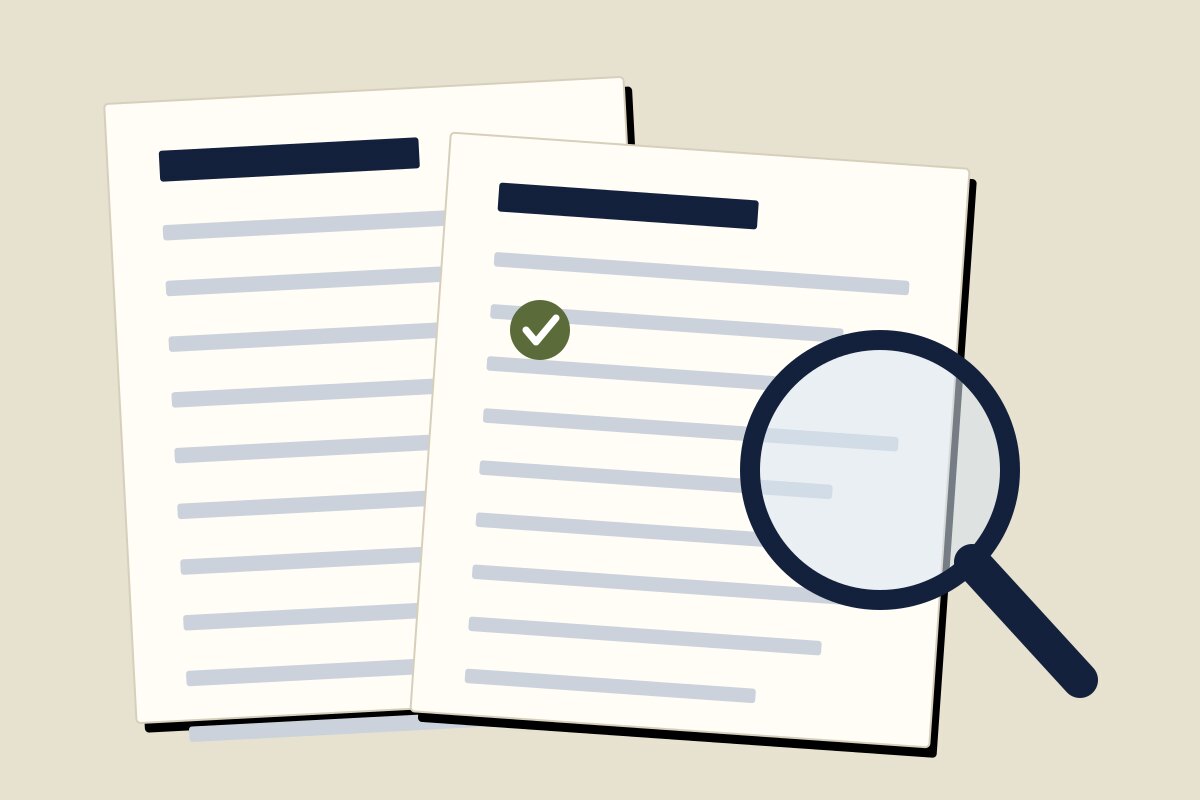
Budget requests, hearing transcripts, Government Accountability Office reports, and Congressional Research Service reports are available online. They often provide more detail than news summaries and let you check claims directly.
Distinguish reporting from opinion
Analysis and commentary can be valuable, but they present arguments, not neutral facts. Look for labels such as opinion, analysis, or commentary, and check whether the author discloses funding or affiliations.
Be careful with numbers
- Check the year, the currency, and whether inflation is considered.
- Be wary of comparisons across different definitions.
- Look for the denominator: a large number can be small in context.
Beware of certainty
Predictions about future wars and technologies are uncertain, and experts often disagree. Good coverage states what is known, what is estimated, and what is unknown.
Reading carefully takes time, but it makes you a more informed citizen.