This article is a general, nonpartisan explainer. It describes the United States unless stated otherwise, and details change over time, so check official sources for the latest.
Nuclear weapons have not been used in war since 1945, and governments have built policies aimed at keeping it that way. Understanding the basic vocabulary makes the debate easier to follow.
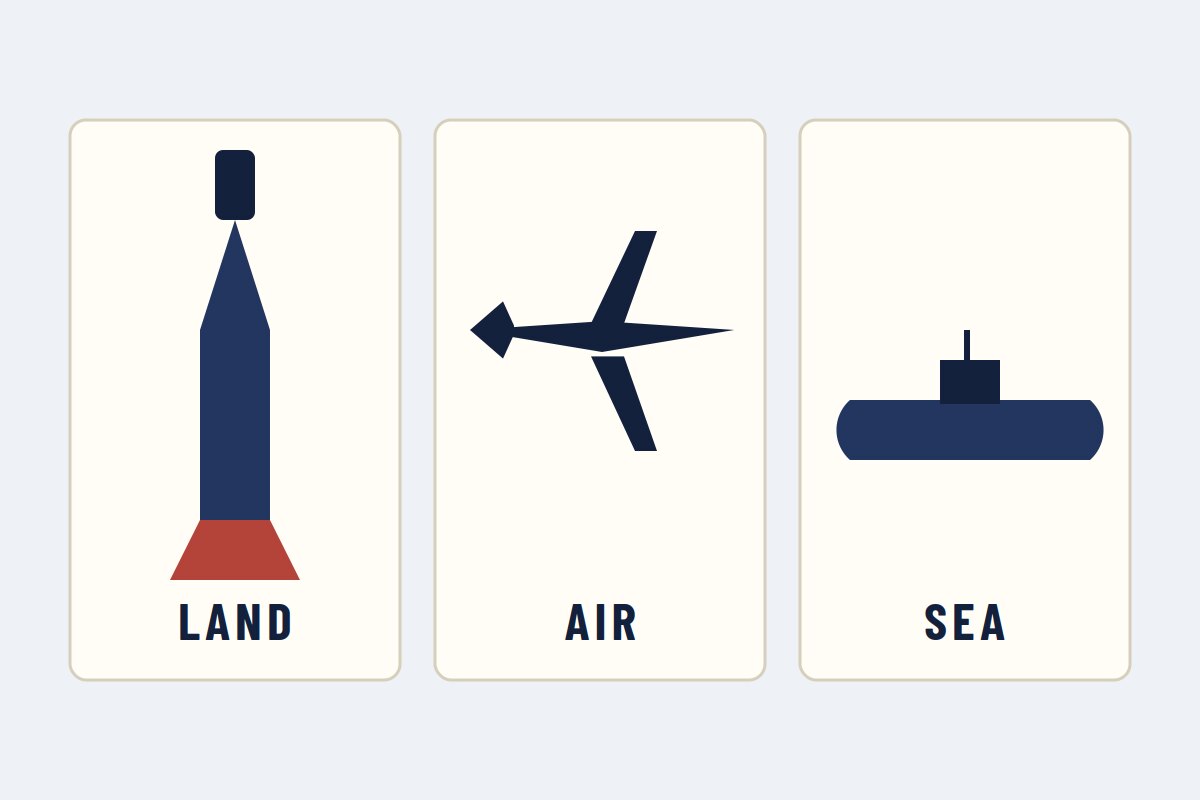
The triad
- Land-based missiles in fixed silos.
- Submarine-launched missiles, which are hard to find.
- Strategic bombers, which can be recalled.
Having three types of delivery systems is meant to make sure an adversary cannot destroy all of a country’s forces in a first strike.
Key concepts
- Second-strike capability: the ability to retaliate after being attacked.
- Declaratory policy: public statements about when a state might use nuclear weapons.
- Extended deterrence: protecting allies with the threat of nuclear response.
- Nuclear posture review: a periodic statement of policy and forces.
Control
In the United States, the authority to order nuclear use rests with the President, supported by command and control systems and procedures. Other nuclear states have their own arrangements.
Debates
- How many weapons are enough.
- Whether to modernize aging systems.
- How arms control should work among more than two major powers.
- How new technologies affect stability.
This is a complex topic, and reasonable people disagree about many of its parts.