This article is a general, nonpartisan explainer. It describes the United States unless stated otherwise, and details change over time, so check official sources for the latest.
Military doctrine in many countries now recognizes cyberspace and space as domains in which operations can take place, alongside land, sea, and air. Both are essential to daily life and to military power.
Cyberspace
Cyber operations can include defending networks, gathering intelligence, and, in some cases, disrupting adversary systems. U.S. Cyber Command was established in 2009 and became operational in 2010. A key challenge is attribution, which is knowing who is responsible for an attack, and calibrating a response.
Space
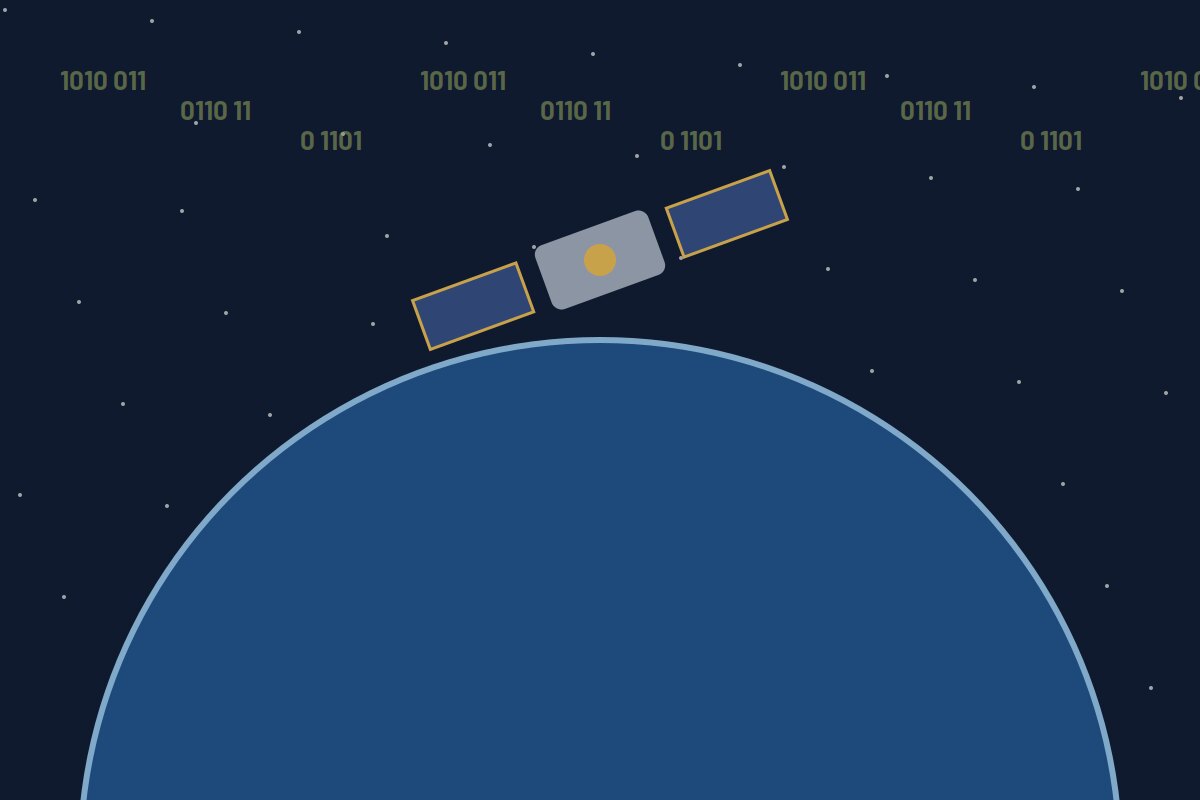
Satellites provide navigation, communications, weather, and reconnaissance. The Outer Space Treaty of 1967 bans placing nuclear weapons in orbit and says that space is not subject to national appropriation. The United States created the Space Force as a separate service in December 2019.
Shared challenges
- Civilian and military systems are tightly connected.
- Attacks can be difficult to detect or attribute.
- Norms and rules are still developing.
- Debris and interference can harm many users at once.
Why it matters
Modern forces depend on networks and satellites. Protecting them, and understanding adversary capabilities, is now central to planning. Debates cover deterrence, escalation, and appropriate rules of behavior.
These domains show that security today extends beyond territory.