This article is a general, nonpartisan explainer. It describes the United States unless stated otherwise, and details change over time, so check official sources for the latest.
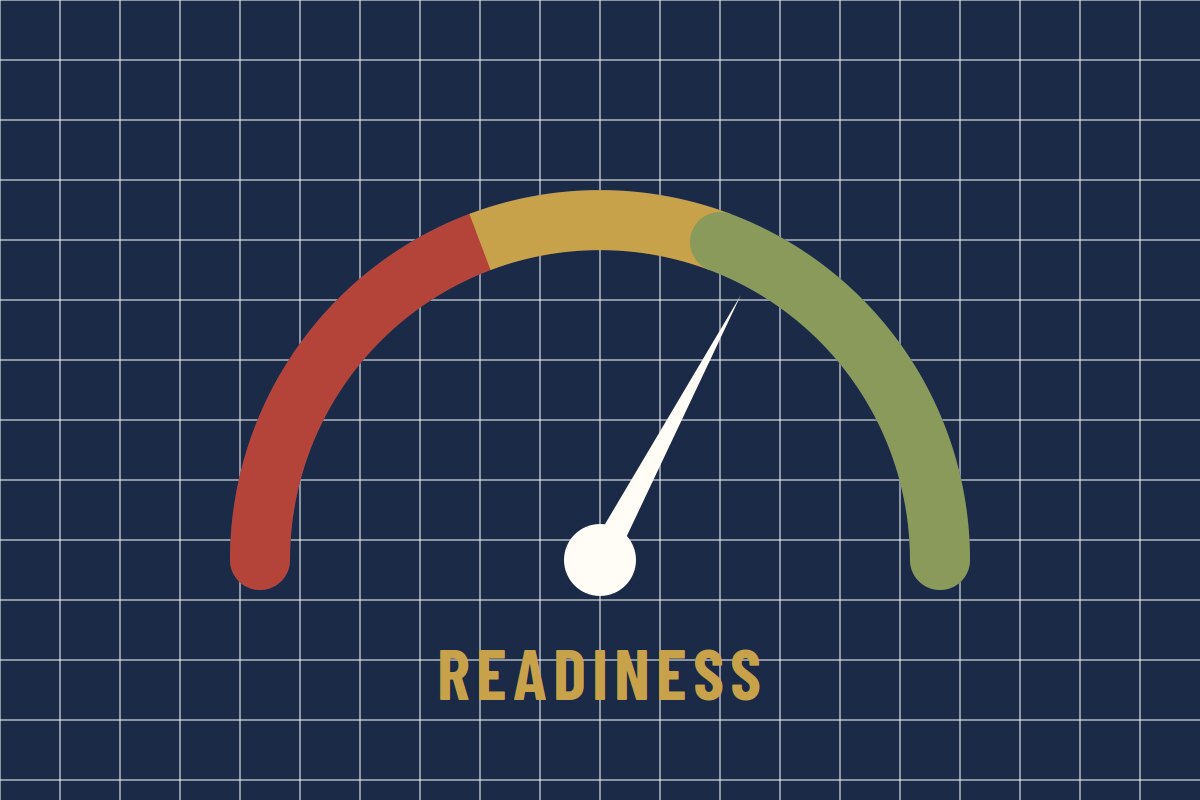
Readiness describes how prepared military forces are to carry out assigned missions. Public debates often use the word loosely, so it helps to know what it includes.
Components of readiness
- Personnel: the right number of trained people in the right jobs.
- Equipment: available and maintained, often measured by mission-capable rates.
- Training: realistic, frequent, and focused on likely missions.
- Supplies and support: spare parts, fuel, and munitions.
How it is measured
The services use detailed reporting systems to assess units. One common indicator is operational availability, the share of time that equipment is ready for use. Measures differ among services and often involve classified details, so the public sees only summaries.
Why it is hard
- Readiness for what mission? A unit may be ready for one task but not another.
- Numbers can mask problems, such as deferred maintenance.
- Short-term readiness can be traded for long-term modernization.
- Different definitions make comparisons difficult.
The balancing act
Budgets must cover readiness, modernization, and the size of the force. Spending more on one usually means less on another. Debates about readiness are often debates about these trade-offs.
When you hear that readiness is high or low, ask: for which mission, measured how, and compared with what?