This article is a general, nonpartisan explainer. It describes the United States unless stated otherwise, and details change over time, so check official sources for the latest.
The defense budget is not drawn up in one step. It results from a cycle that begins years before money is spent and continues until the funds are used. Understanding the cycle helps make sense of headlines about defense spending.
PPBE: planning, programming, budgeting, execution
- Planning: leaders set strategy and priorities.
- Programming: the services and agencies propose how to use resources over several years.
- Budgeting: proposals are converted into detailed budget requests and reviewed.
- Execution: funds are spent and results are tracked.
The President’s request
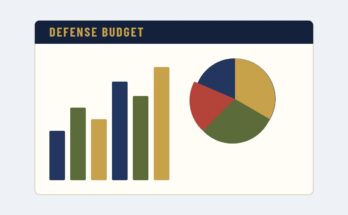
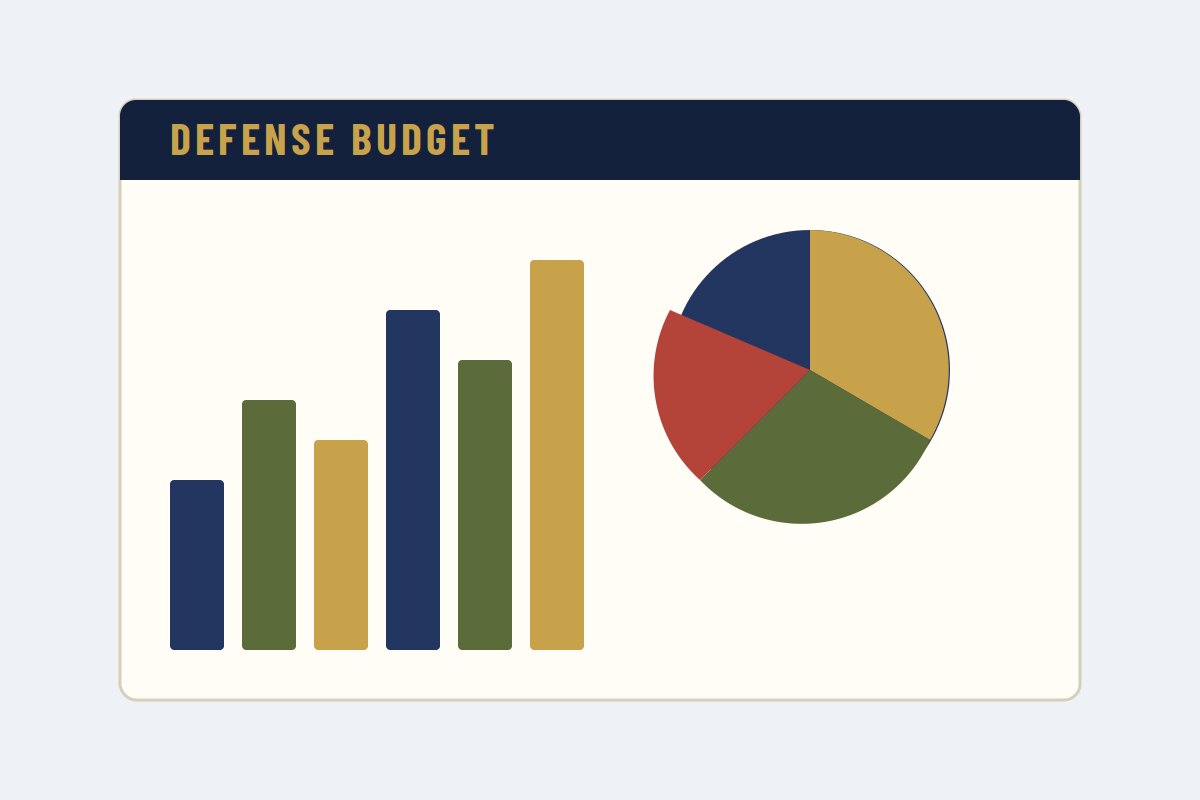
The President submits a budget request to Congress, typically early in the year. The Department of Defense request is part of it. It includes military personnel, operations and maintenance, procurement, research and development, and construction.
Congress’s role
Congress uses two kinds of laws. The National Defense Authorization Act sets policy and authorizes programs, and appropriations bills provide the actual funding. The two processes follow different committees. If appropriations are not passed on time, agencies may operate under temporary continuing resolutions.
Things to watch
- The topline total, and how it compares to inflation.
- Shifts between accounts, such as from procurement to operations.
- Multiyear commitments that limit future choices.
- Supplemental funding for contingencies.
Why it is complicated
Budget numbers depend on what is included, which years are compared, and whether inflation is considered. Always check the definitions.
Following the cycle helps reveal how priorities become budgets.